Epoxy Flooring
Durable. Professional. Built to last. We turn worn, stained concrete into a seamless epoxy floor for garages, shops, and commercial spaces across the Space Coast. No water or fire damage required.
- Durable. Professional. Built to Last
- Licensed General Contractor
- Residential & Commercial
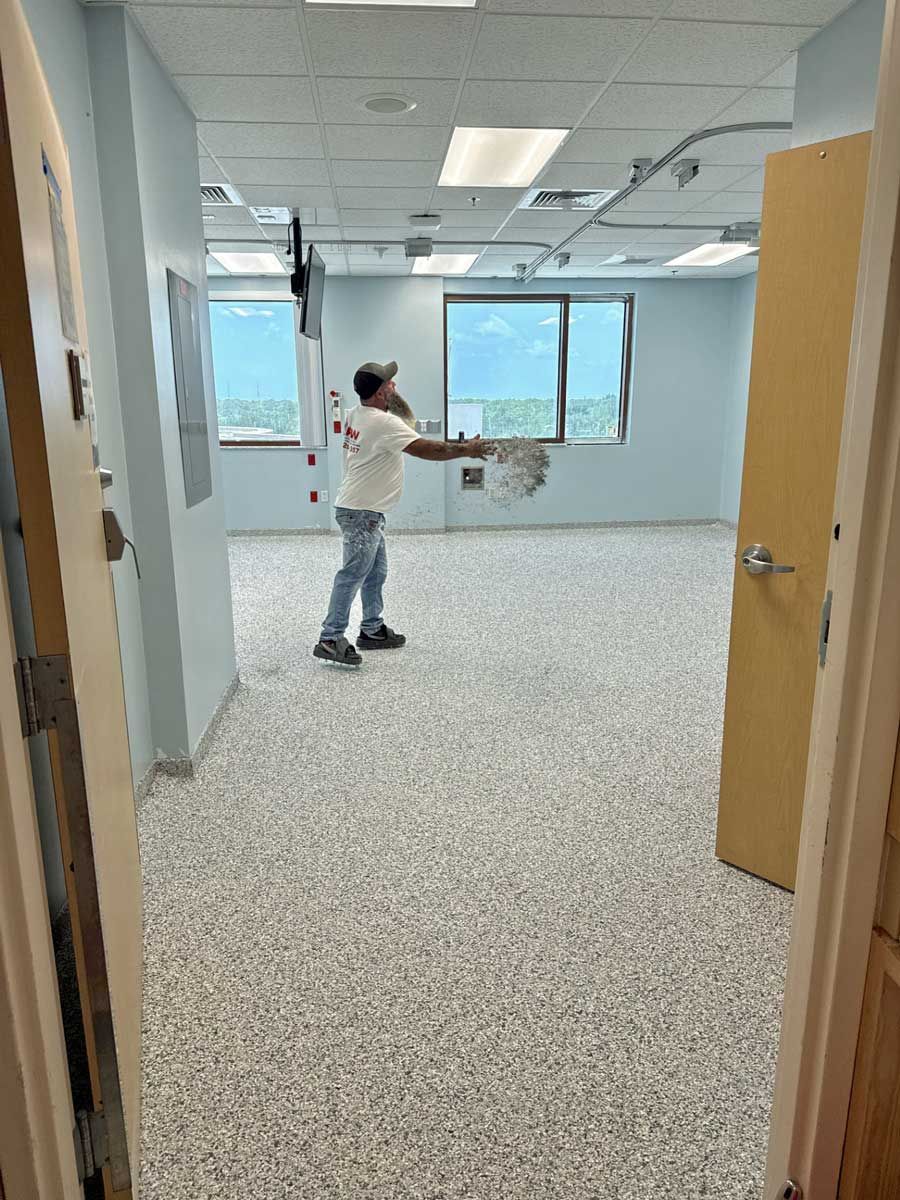
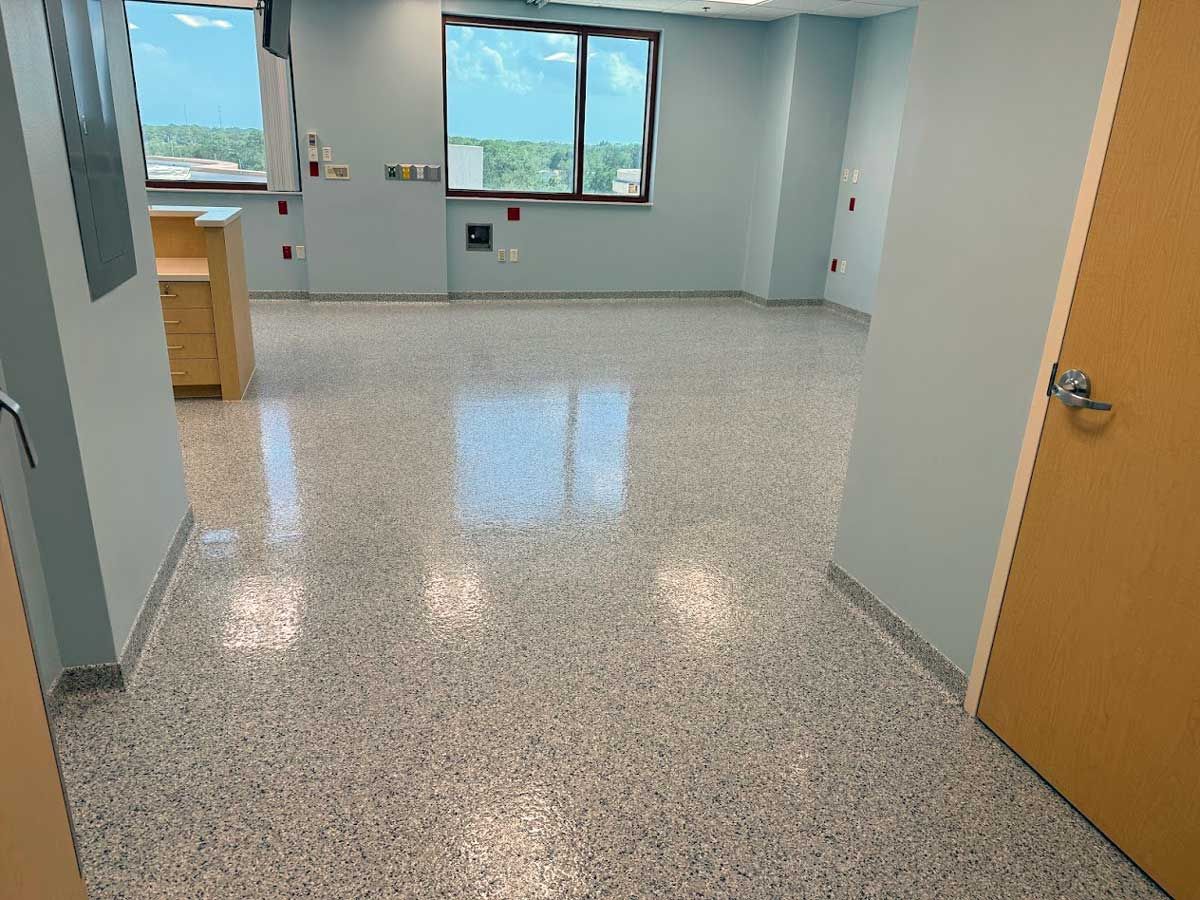
Seamless
No grout lines or joints for dirt to settle into
Flake
Decorative color blends for a custom finish
Since 2012
Working across the Space Coast
Licensed
General contractor, licensed and insured
WHY EPOXY
Bare Concrete Is Only Half a Floor.
Plain concrete soaks up oil and holds onto stains, and it sheds dust no matter how often you sweep. Epoxy seals the slab under a hard, seamless coating built for spills and heavy traffic. The result is a floor that wipes clean and actually looks finished.
RW Services installs epoxy for homeowners and businesses throughout Florida's Space Coast and Central Florida, from two-car garages to warehouse floors. Every project starts with a free estimate and a close look at the condition of your concrete.
BENEFITS
Why Choose Epoxy Flooring?
Epoxy makes sense when a floor has to work hard and still look good. A professionally installed system gives you:
- Long-lasting surface that holds up under heavy use
- Resistance to stains, moisture, and many chemicals
- Seamless finish with no grout lines to scrub
- Easy cleanup with a mop or squeegee
- A floor that handles foot traffic, carts, and vehicles
- Solid colors or decorative flake blends to fit your space
- A fresh look over worn, stained, or outdated concrete
Local Expertise, Proven Results
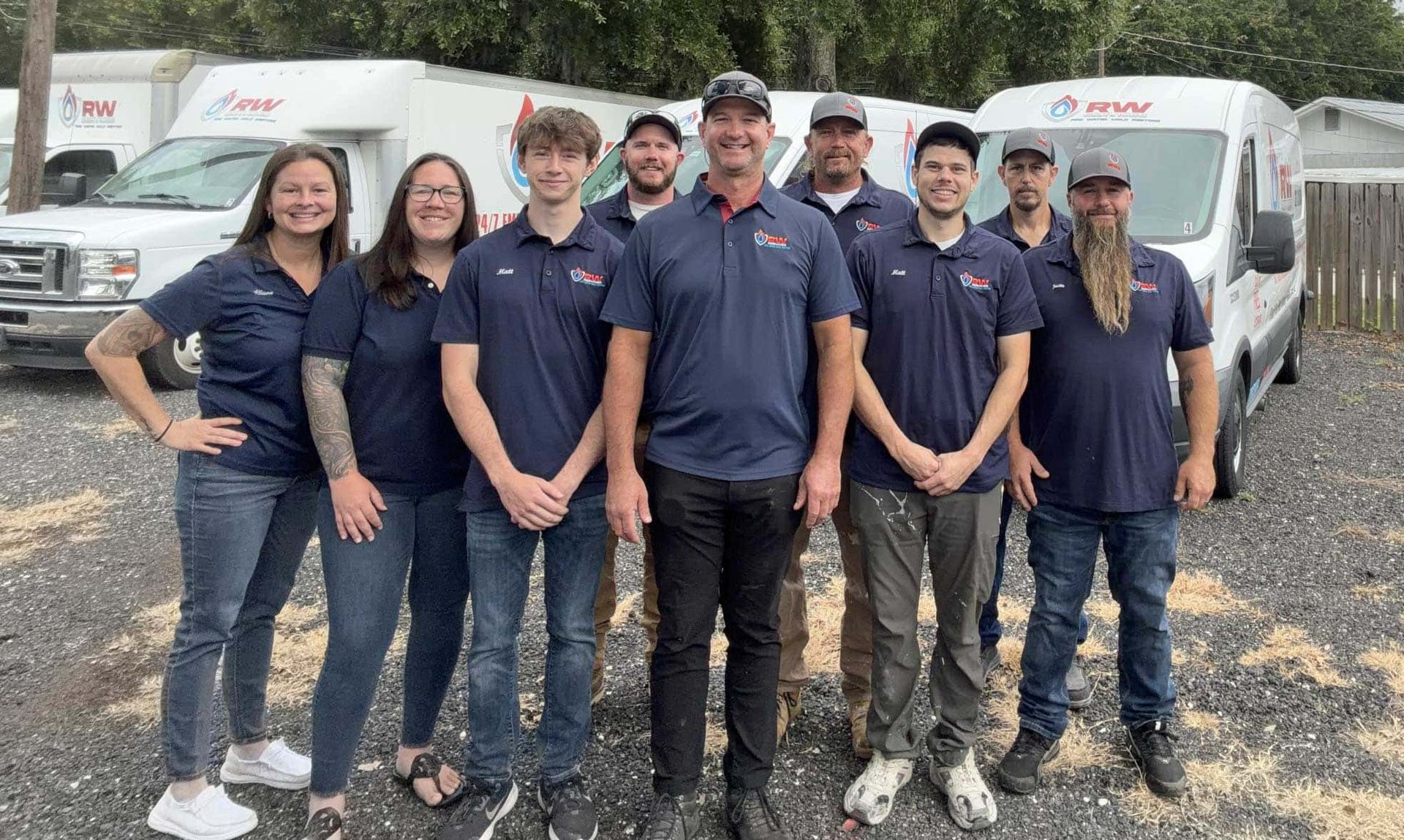
Trusted and locally earned
Trusted and locally earned. We generate most of our business through referrals from homeowners and businesses in the communities we serve. When you call us, you are getting a team that shows up and does the job right.
STEP-BY-STEP
What Is the Epoxy Flooring Process?
A good epoxy floor depends on what happens before the first coat goes down. Here's how we take a floor from bare concrete to a finished surface.
Contact and Site Visit
The process starts with a call or an estimate request. We schedule a visit, look at the space, and talk through how you use it, whether that's parking cars, running a shop, or serving customers.
Floor Assessment
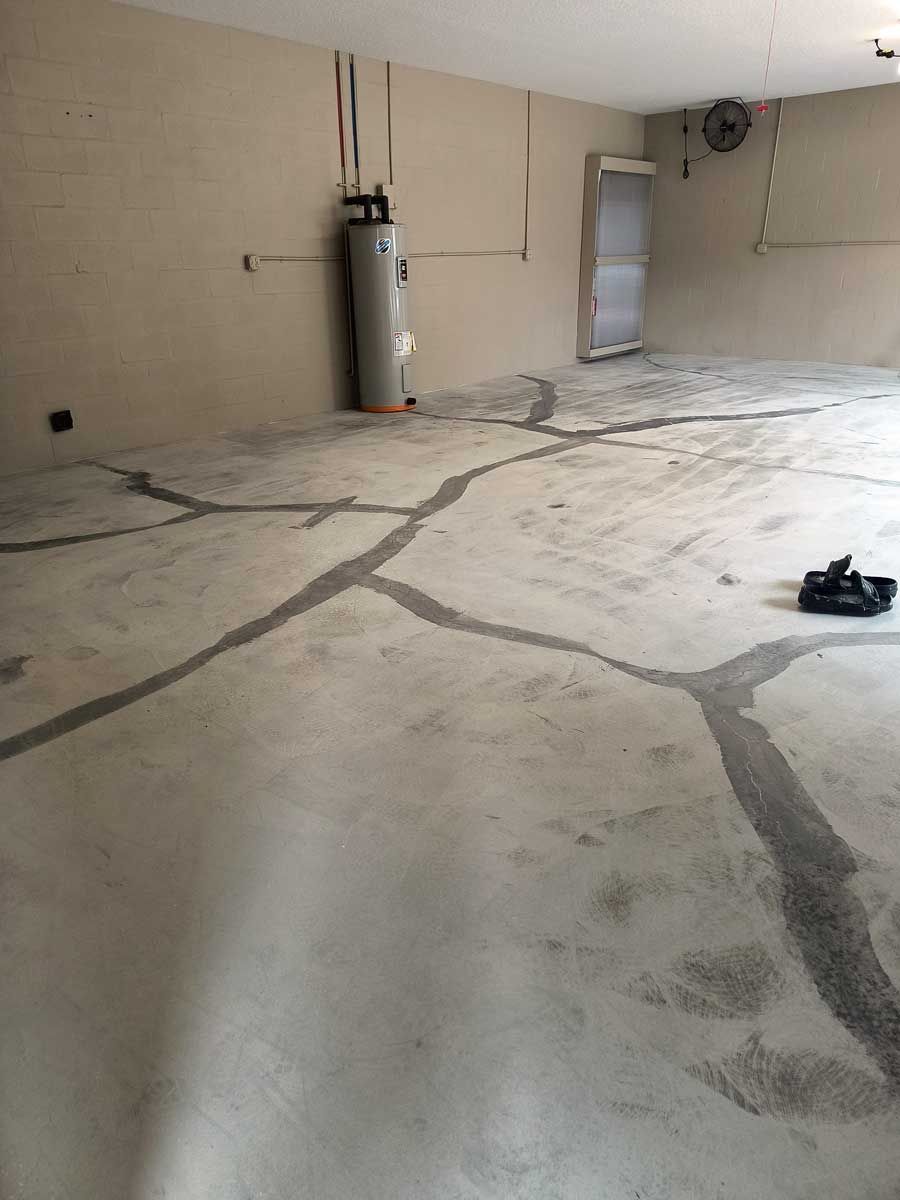
We check the slab for cracks, old coatings, oil contamination, and moisture. Florida slabs can hold a lot of moisture, and catching problems before coating keeps them from showing up later as peeling or bubbling.
Estimate and Color Selection
You'll get a clear estimate before any work begins. Choose between a solid color finish and a decorative flake system, then pick the color or flake blend that fits your space.
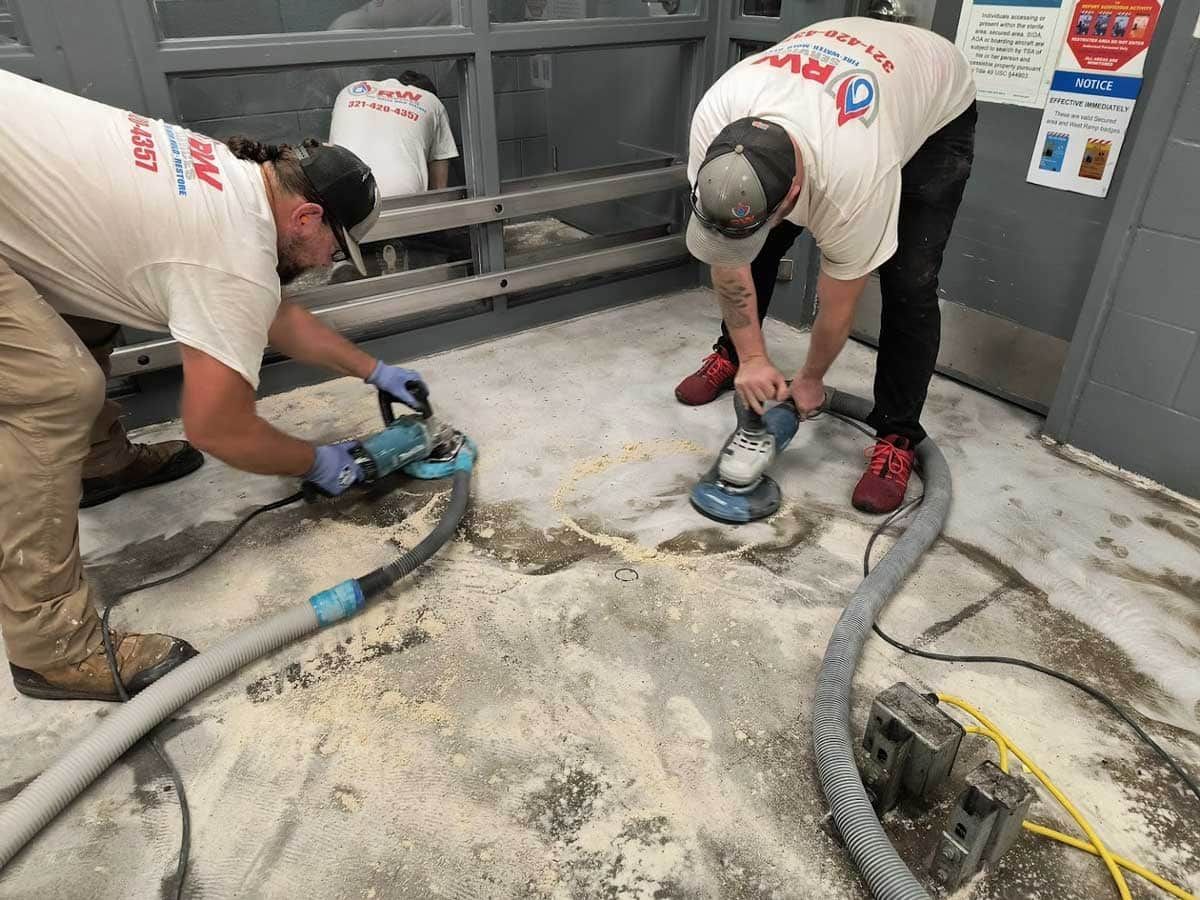
Concrete Prep
Visibly contaminated materials are carefully removed and packaged in approved biohazard containers. Items that cannot be properly decontaminated, such as soaked carpet, padding, and porous building materials, are removed and disposed of according to regulation.
Crack and Surface Repair
Surfaces are cleaned and treated with hospital-grade disinfectants effective against bloodborne pathogens, bacteria, and viruses. Multiple cleaning passes are performed to ensure complete decontamination of all affected surfaces.
Base Coat and Flake
Decomposition and biological odors penetrate porous materials and HVAC systems. We use ozone treatments, hydroxyl generators, and specialized odor neutralizers to fully eliminate residual odors rather than mask them.
Topcoat
Loose flake is scraped and vacuumed, then a clear topcoat seals the surface. This layer takes the daily wear and protects the floor against stains.
Cure and Final Walkthrough
We walk the finished floor with you and go over cure times, when it's ready for foot traffic and vehicles, and how to keep it looking new.
WHO WE SERVE
Residential and Commercial Epoxy Flooring
Residential Epoxy Flooring
Give your garage, workshop, or utility room a completely new look. Epoxy turns an ordinary concrete floor into a finished surface that's easy to clean and stands up to everyday use, whether that means parked cars, power tools, or a washer that leaks now and then.
Many homeowners choose a decorative flake system for the texture and color options, and because it hides dust between cleanings. Solid color works well in workshops and utility rooms where you want a bright, clean look.
Common residential projects:
- Unattended death and decomposition cleanup
- Suicide and traumatic incident cleanup
- Sewage and contaminated water cleanup
- Blood and bodily fluid spill response
- Hoarding cleanup with biological contamination
- Post-crime-scene residential cleanup
Commercial & Industrial Epoxy Flooring
Commercial floors deal with things a home floor never sees: forklifts, rolling carts, dropped tools, cleaning chemicals, and foot traffic from open to close. Commercial-grade epoxy systems are built for that environment and give your space a professional finish customers and employees will notice.
As a licensed general contractor, RW Services can coordinate the flooring with other work on the property and plan the schedule with you to keep downtime low.
Commercial spaces we serve:
- Warehouses and manufacturing spaces
- Offices and retail spaces
- Medical facilities
- Commercial kitchens and service areas
- Workshops, garages, and utility rooms
FREQUENTLY ASKED QUESTIONS
Your Epoxy Flooring Questions Answered
Is epoxy durable?
Yes. Properly selected and installed systems can handle significant everyday wear and traffic.
Is epoxy waterproof?
Epoxy is water-resistant, but moisture vapor beneath the concrete can cause problems.
Is epoxy slippery?
Smooth finishes can be slippery when wet. Anti-slip additives can improve traction.
Does concrete need preparation?
Absolutely. Grinding, cleaning, repairing and moisture evaluation are important.
Can epoxy cover cracks?
Cracks need evaluation and repair. They can sometimes reappear if the concrete moves.
Is epoxy easy to clean?
Generally yes. Routine sweeping and mopping with an appropriate cleaner are usually sufficient.
Can epoxy be customized?
Yes. Colors, decorative flakes, textures and finishes vary by system.
How long does installation take?
Depends on preparation, system, size, temperature and curing requirements.
What is the difference between epoxy and polyaspartic flooring?
Epoxy and polyaspartic are both protective floor coating systems, but they have different characteristics.
Epoxy flooring is known for its durability, strong adhesion to properly prepared concrete, and variety of decorative finishes. It is commonly used in garages, commercial spaces, warehouses, and industrial environments.
Polyaspartic flooring is a type of polyurea coating known for its fast curing time, UV stability, and resistance to abrasion and chemicals. It is often used as a tandalone coating system or as part of a multi-layer flooring system.
Can epoxy be installed over existing concrete?
Yes! Epoxy flooring is commonly installed over existing concrete floors, making it an excellent option for upgrading garages, warehouses, commercial buildings, and other spaces. Before installation, the concrete must be evaluated to ensure it is structurally sound and suitable for coating. Proper surface preparation, which may include grinding, cleaning, and repairing imperfections, helps the new coating bond properly.
Can epoxy be installed over old or stained concrete?
Yes! Old, stained, and worn concrete can often be transformed with an epoxy floor coating. However, the existing surface just be properly prepared. Oil, grease, paint, sealers, and other contaminants may need to be removed before installation. Cracks, chips, and damaged areas should also be evaluated and repaired. Even older concrete can become the foundation for a beautiful new floor!
How long before I can walk or drive on my new floor?
Curing times depend on the flooring system, product, temperature, humidity, and installation conditions.
As a general guideline:
Epoxy: Often ready for light foot traffic in approximately 24 hours.
Vehicle traffic: Typically requires approximately 48–72 hours.
Polyaspartic: Can often allow foot traffic within a few hours and vehicle traffic sooner than traditional epoxy.
Full curing can take several days, depending on the product.
Does epoxy flooring require maintenance?
One of the biggest advantages of epoxy flooring is how easy it is to maintain.
Routine maintenance typically includes:
- Sweeping or dust mopping to remove dirt and debris.
- Mopping with a mild, manufacturer-approved cleaner. Cleaning up spills promptly.
- Avoiding harsh chemicals or abrasive cleaning tools that could damage the finish.
- With proper care, epoxy flooring can maintain its appearance and performance for years.
Can epoxy be installed in commercial buildings?
Absolutely! Epoxy flooring is an excellent option for many commercial and industrial environments.
Is epoxy a good choice for garages?
Yes! Epoxy and polyaspartic floor coatings are popular choices for residential garages. They can transform ordinary concrete into an attractive, durable surface that is easier to clean and maintain.
Can you install slip-resistant epoxy?
Yes! Slip-resistant additives and textured finishes can be incorporated into epoxy flooring systems to improve traction. This is especially important in areas that may be exposed to water, spills, or frequent foot traffic. Slip resistance can be customized depending on the environment and intended use. Keep in mind that no flooring system is completely slip-proof, and the right texture needs to be selected for the application.
What happens if the concrete has moisture?
- Moisture is one of the most important things to evaluate before installing an epoxy floor.
- Excessive moisture vapor coming through concrete can interfere with the coating's adhesion and potentially cause bubbling, peeling, or coating failure.
- Before installation, the concrete may need moisture testing. If elevated moisture is identified, specialized moisture-mitigation primers or other appropriate systems may be necessary.
- Proper preparation and selecting the right products help protect your looring investment.
How do I choose the right color and finish?
Choosing your floor's appearance is one of the fun parts of the process! Epoxy and polyaspartic flooring systems offer several colors, textures, and decorative finishes.
Some popular options include:
- Decorative flake: Adds color, texture, and dimension to your floor. Available in a variety of color combinations.
- Solid color: Provides a clean, uniform, professional appearance.
- Gloss finish: Creates a polished, reflective look.
- Matte or satin finish: Offers a more subtle appearance.
- Custom combinations: Colors and decorative elements can be selected to complement your space.
The best choice depends on the appearance you want, how the space will be used, and the performance requirements of the flooring system.
RW Services can help you explore options and select a finish that works for your project.
WHERE WE WORK
Epoxy Flooring Across Florida's Space Coast
RW Services installs epoxy flooring for homeowners and businesses throughout the following communities. If you don't see your area listed, give us a call.
Need Biohazard Cleanup? Call Now.
A discreet, professional response makes a difficult situation easier to manage. Contact RW Services today for immediate help.